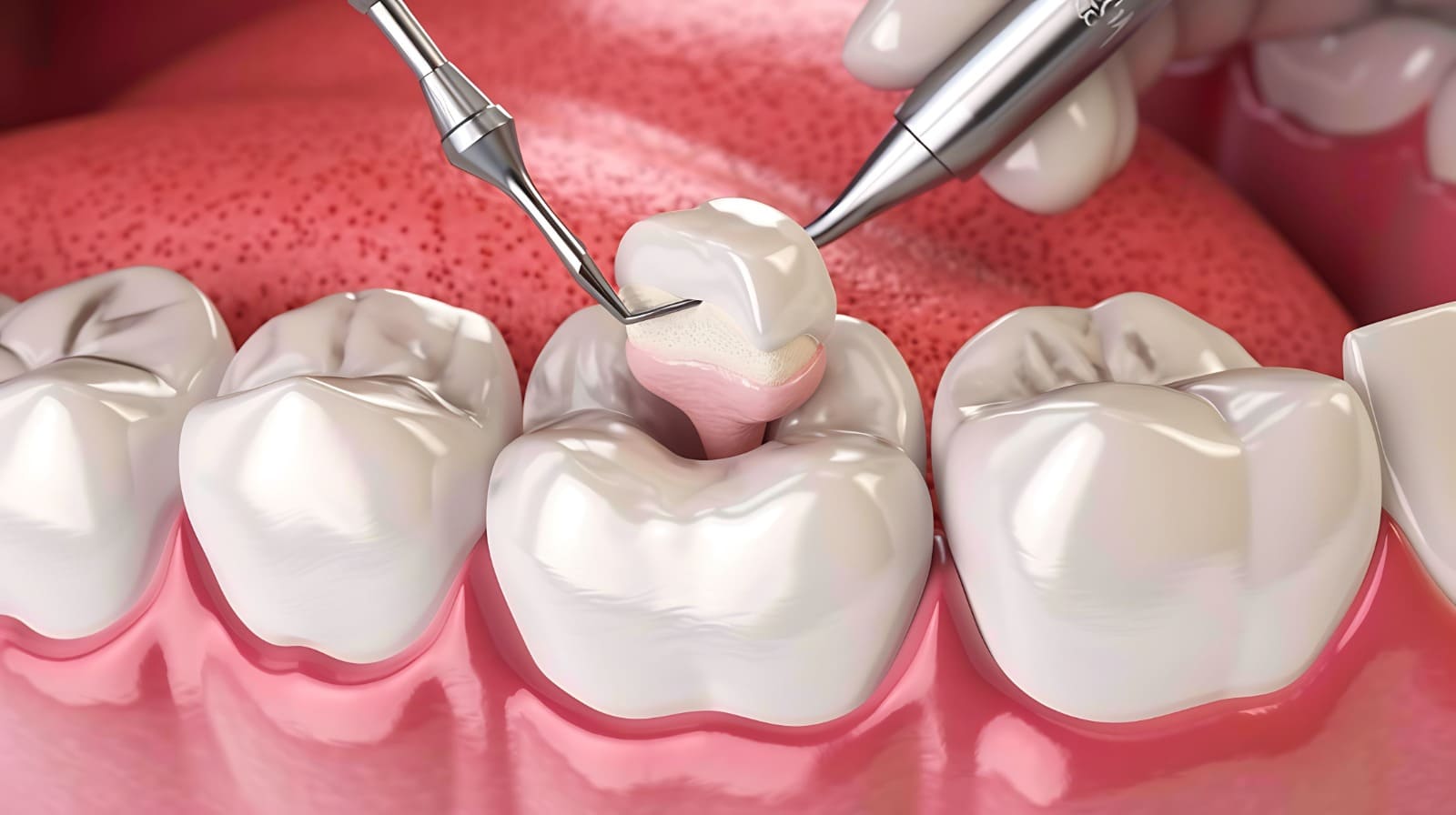
Tooth Filling
A tooth filling is a treatment used to repair a tooth that has been damaged by decay or injury.During a tooth filling, the decayed or damaged part of the tooth is removed, and a dental material is used to fill the gap. This helps prevent further damage and restores the tooth's function and appearance. The filling material can be porcelain, glass ionomer, composite resin, gold, or silver amalgam.
Why You Might Need a Tooth Filling
Tooth fillings are needed when a tooth has cavities, which are small holes caused by tooth decay. This decay occurs when bacteria in your mouth create acids that damage the tooth’s surface. Fillings are also used to fix cracked or broken teeth, or teeth that have been worn down from habits like grinding or chewing on hard objects. They help restore the tooth’s strength and prevent further damage.
The Tooth Filling Procedure
-
The dentist begins by numbing the area around the affected tooth with a local anesthetic to ensure you don’t feel any pain during the procedure.
-
Once the area is numb, the dentist uses specialized tools to remove the decayed or damaged portion of the tooth. This step is crucial for ensuring that all harmful bacteria and debris are taken out.
-
After removing the decay, the dentist cleans the cavity thoroughly. This step ensures that no remnants of decay or bacteria are left, which helps prevent future issues.
-
The dentist then places the chosen filling material into the cleaned cavity. They carefully shape the material to match the natural contour of the tooth, restoring its function and appearance.
-
Finally, the dentist hardens the filling using a special light or chemical process. This ensures the filling stays firmly in place and provides a durable repair.
-
After the filling has hardened, the dentist may make final adjustments to ensure the filling fits comfortably and the bite feels natural.
-
The dentist will provide instructions on how to care for the filled tooth, including tips on brushing, flossing, and avoiding certain foods for a short period. Regular follow-up visits may also be recommended to ensure the filling remains in good condition.
How to Care for Fillings
- Brush your teeth twice a day with fluoride toothpaste and floss daily
to keep your mouth clean and prevent plaque build-up around the filling.
- Try to avoid chewing on very hard foods, like ice or hard candy, which
can damage the filling.
- If you experience any sensitivity or discomfort around the filling,
contact your dentist. It could be a sign that the filling needs adjustment.
- Keep up with regular dental check-ups at Partha Dental Clinic. Your
dentist will monitor the condition of your fillings and overall oral health.
- Follow your dentist’s recommendations for oral care and address any
dental issues promptly to keep your fillings in good shape.
Benefits of Tooth Fillings
- Fillings help restore the normal function of your tooth, allowing you
to eat and chew comfortably.
- By filling a cavity, you prevent bacteria from spreading and causing
more damage to the tooth.
- Fillings can improve the appearance of a damaged or decayed tooth,
making it look more natural and blending with your smile.
- Treating cavities with fillings can relieve tooth pain caused by decay
or damage.
- Modern filling materials are strong and durable, providing a
long-lasting solution for damaged teeth.
Why Regular Dental Visits Matter
Regular dental visits help catch problems early, like cavities or gum disease, before they get worse.
Professional cleanings remove plaque and tartar, preventing decay. They also ensure existing dental work, such
as fillings, stays in good shape. Overall, these visits keep your teeth healthy and your smile bright.
Meet Our Doctors
Head of Nephrologist Department
Head of Orthopedist Department
Head of Cardiology Department
Book Appointment
Required fields are marked *